Table of Contents
- Why a Moving Checklist Makes All the Difference
- Four Weeks Before: Start Planning Early
- Three Weeks Before: Declutter Before You Pack
- Two Weeks Before: Pack Room by Room
- One Week Before: Protect Fragile and Valuable Items
- Choosing the Right Time of Year to Move
- Budgeting for Your Move Without Surprises
- The Day Before: Confirm the Details with Your Movers
- On Moving Day: What to Expect
- Moving with Children or Pets
- Settling In: The First Few Days After Your Move
Why a Moving Checklist Makes All the Difference
Relocation involves dozens of small tasks that are easy to forget when you are juggling work, family, and daily life at the same time. A structured moving checklist turns an overwhelming process into a series of manageable steps, spread out over the weeks leading up to your move rather than crammed into the final few days. Whether you are shifting a one-bedroom apartment or a full family home, following a clear timeline reduces last-minute panic and helps you avoid the common mistakes that lead to damaged items, missed deadlines, or unexpected costs.
Four Weeks Before: Start Planning Early
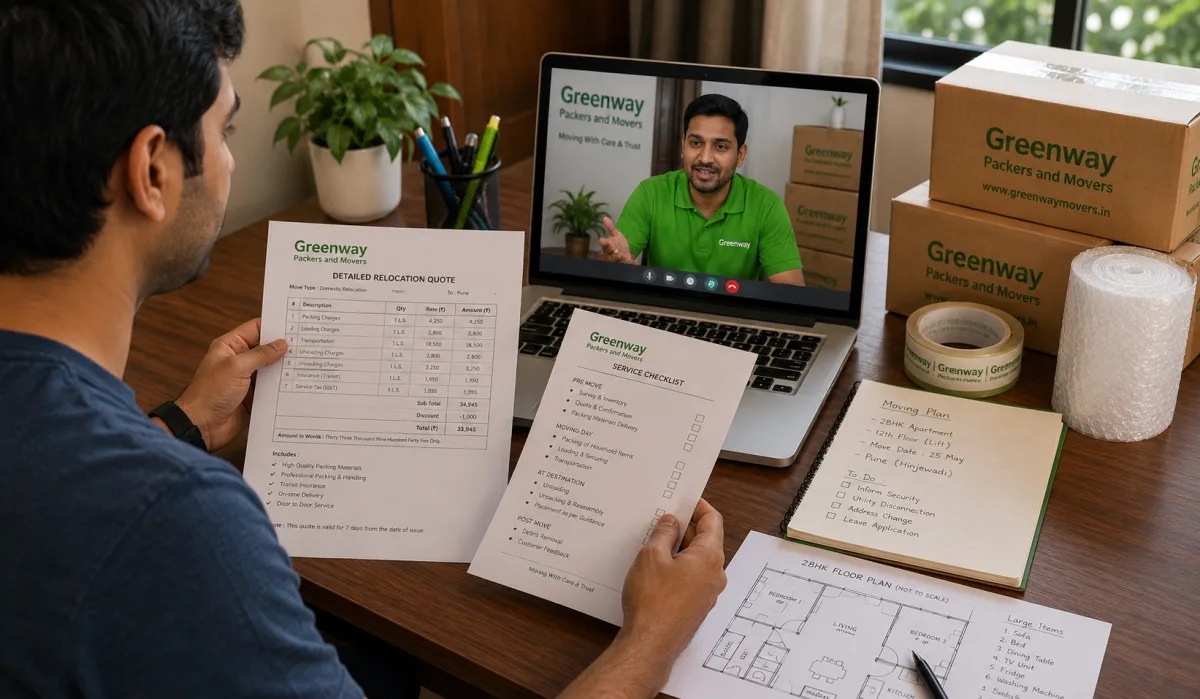
The secret to a smooth move is starting early. Begin planning at least four weeks before your moving date. Create a simple timeline, note down important tasks, and book your packers and movers in advance to secure your preferred date. Early planning gives you time to declutter, organise, and avoid last-minute stress.
- Research and shortlist reliable packers and movers, checking experience and reviews
- Request a free, transparent quote and confirm your preferred moving date
- Notify your landlord or housing society about the move if applicable
- Start a rough inventory of major furniture and appliances
Three Weeks Before: Declutter Before You Pack
Moving is the perfect opportunity to let go of items you no longer use. Sort your belongings into keep, donate, and discard piles. Fewer items mean lower moving costs and less to unpack. This single step can make your entire relocation faster and more affordable. Go room by room rather than trying to declutter the whole house at once, and be honest with yourself about items you have not used in the past year.
Two Weeks Before: Pack Room by Room
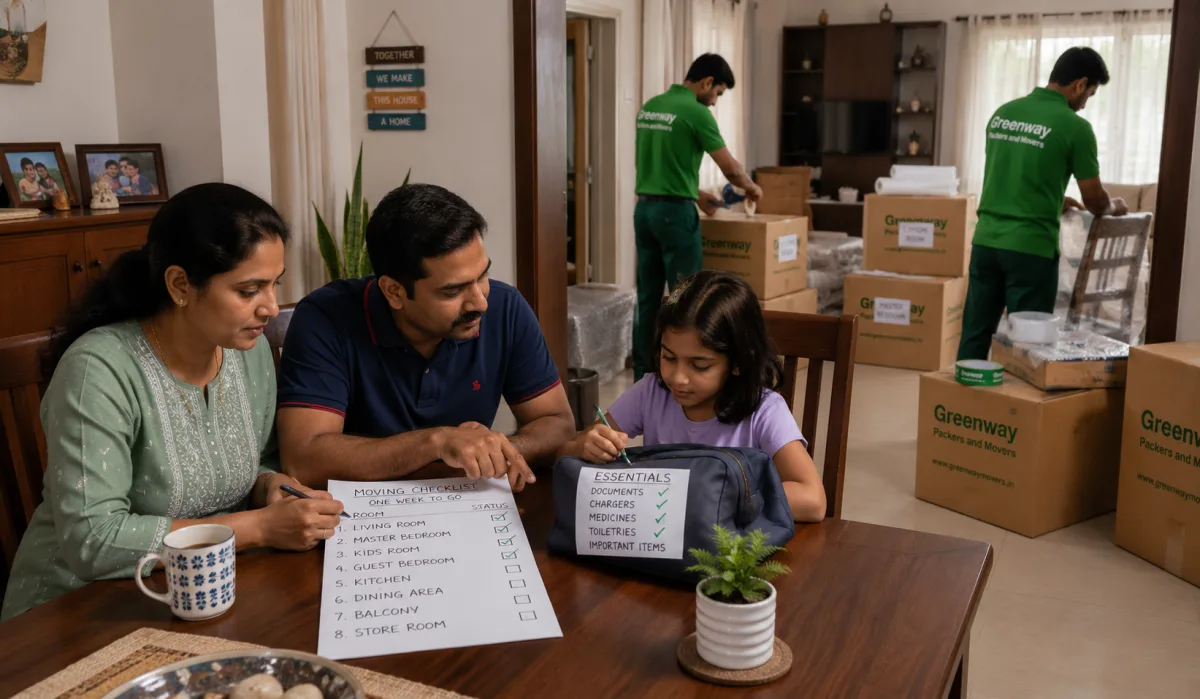
Packing room by room keeps things organised and makes unpacking far easier. Label every carton with its contents and destination room. Keep a separate essentials box with everyday items like chargers, toiletries, and important documents so you are comfortable on your first night.
- Pack rarely-used items first, such as seasonal decorations or spare bedding
- Label boxes clearly on at least two sides so they are visible from any angle
- Keep an inventory list so you can confirm nothing is missing on delivery
- Pack a separate essentials bag with documents, medicines, and chargers
One Week Before: Protect Fragile and Valuable Items
Wrap fragile items individually using bubble wrap and soft padding. For high-value belongings, consider goods transit insurance for complete peace of mind. Professional packers use quality materials and proven techniques to prevent damage during transit. This is also a good time to photograph valuable items for your own records before they are packed away.
Choosing the Right Time of Year to Move
While most relocations happen out of necessity rather than choice, if you do have flexibility on timing, it is worth considering the season. Extreme summer heat or heavy monsoon rains can make moving day more physically demanding and increase the risk of certain items, such as electronics or cardboard packaging, being affected by weather. Where possible, scheduling your move during milder months or avoiding the height of the monsoon season in your region can make the entire day noticeably smoother for both you and the moving team.
Budgeting for Your Move Without Surprises
A stress-free relocation is not only about physical organisation but also financial planning. Request a detailed, itemised quote from your movers well in advance, and clarify exactly what is included, such as packing materials, labour, loading, and transportation. Building in a small buffer for unexpected extras, such as additional packing materials for fragile items discovered late, helps you avoid last-minute financial stress on top of the physical demands of moving day.
The Day Before: Confirm the Details with Your Movers
A day before the move, confirm the schedule, address, and contact details with your relocation team. Clear communication ensures a smooth pickup and delivery. With Greenway Packers and Movers, real-time tracking keeps you updated at every step, so you always know where your belongings are during transit.
On Moving Day: What to Expect
On the day itself, our team arrives at the scheduled time to begin final packing checks, loading, and securing your belongings for transit. Having your essentials bag, documents, and valuables set aside makes this process smoother for everyone. Do a final walkthrough of each room before the truck departs to make sure nothing has been left behind, particularly items in cupboards, drawers, or outdoor spaces that are easy to overlook.
Moving with Children or Pets
If your household includes children or pets, moving day requires a bit of extra planning. Arranging for a trusted friend or family member to look after young children or pets during the busiest hours of loading and unloading can reduce stress for everyone involved, including the moving team navigating a home with a lot of activity. For older children, involving them in packing their own room can also make the transition feel less disruptive and more like an exciting change.
Settling In: The First Few Days After Your Move
Once you arrive at your new home, resist the urge to unpack everything immediately. Start with your essentials box, then move on to the kitchen and bedrooms, which tend to be the most-used spaces. Unpacking room by room, following the same labelling system you used while packing, keeps the process organised and prevents your new home from feeling chaotic during the transition period.
Frequently Asked Questions
It is best to book at least two to four weeks before your moving date, especially during peak relocation seasons, to secure your preferred date and give the moving company time to plan properly.
Valuables, important documents, and daily essentials are best packed by you and kept separately. Furniture, appliances, and general household items are typically handled more efficiently and safely by professional packers.
Label every box clearly by room and content, keep an inventory list, and unpack essential items first. Following the same organisation system used during packing makes the unpacking process significantly faster.
Planning a Move?
Get a free, no-obligation quote from Greenway today.